
The end of Daylight Saving Time doesn’t just mean gaining an extra hour of sleep; it’s nature’s annual reminder to prepare your home for the cold, dark, and potentially costly winter months ahead.
When we “fall back,” the days immediately get shorter, temperatures drop quickly, and your furnace is about to start working overtime. Take advantage of this built-in seasonal prompt to tackle essential maintenance that will keep your family safe, cozy, and save you money on energy bills.
Safety & Efficiency: The Indoor Must-Do’s
Focusing on the inside first ensures your home is a warm and safe haven when the winter weather hits.
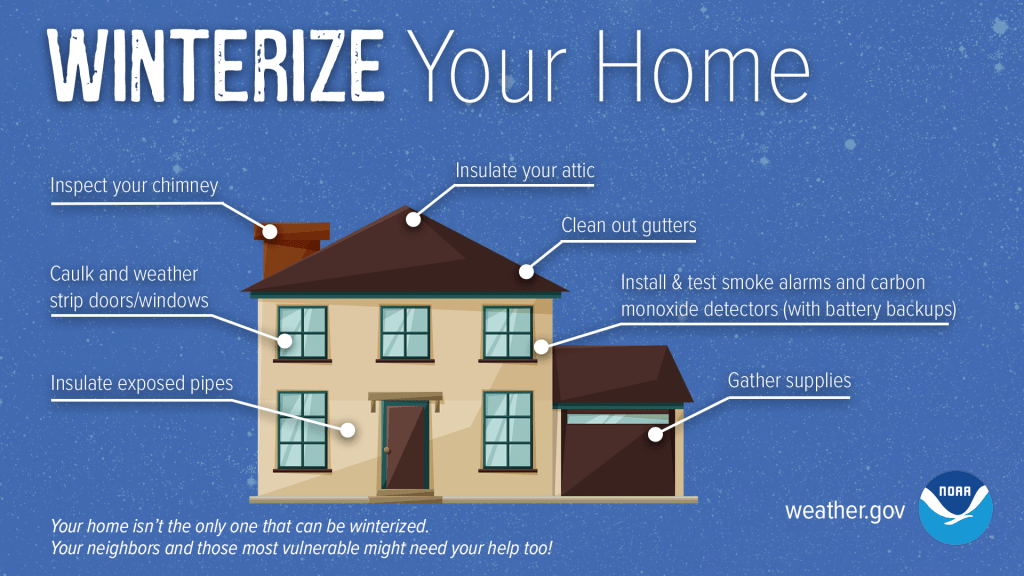
- Test and Replace Alarms: This is the most critical task! Change the batteries in every smoke and carbon monoxide (CO) detector. Also, check the manufacturer’s date; CO alarms typically need to be replaced every 5-7 years, and smoke alarms every 10.
- Service Your Heating System: Schedule your annual furnace or boiler inspection now, before the heating companies get swamped. At the very least, replace or clean your furnace filter. A clean filter is crucial for efficient heating and good indoor air quality.
- Reverse Your Ceiling Fans: Flip the switch on your ceiling fan to run in the clockwise direction at a low speed. This pulls cool air up and gently pushes the warm air that collects near the ceiling back down into the room, which can allow you to lower your thermostat a degree or two.
- Check for Drafts: Go around your home with an incense stick or damp hand to check for air leaks around windows and doors. Seal any gaps with caulk or weather stripping to prevent warm air from escaping and cold air from creeping in.
- Program Your Thermostat: With the time change, your old heating schedule may be off. Update your programmable or smart thermostat settings to align with your new wake-up/bedtime schedule to maximize savings.
Protecting Your Property: The Outdoor Winter Prep
Water damage from freezing pipes and clogged gutters is one of the most expensive winter hazards. Prevent it by taking action outside.
- Mind the Gutters: Clear all leaves, debris, and shingle granules from your gutters and downspouts. Clogged gutters prevent water from draining away from your house and can lead to ice dams, damaged siding, and a compromised foundation.
- Winterize Exterior Water Lines:
- Disconnect and drain all garden hoses and store them indoors.
- Shut off the water supply to all exterior faucets (hose bibs) using the interior shut-off valve (usually found in the basement or utility room).
- Open the outdoor faucet to drain any remaining water in the pipe. You can also place an insulated foam cover over the spigot for extra protection.
- Inspect the Roof and Siding: Give your roof a once-over from the ground (or with binoculars) to look for any loose, cracked, or missing shingles. Also, check your siding and trim for holes that could invite pests inside seeking warmth.
- Store Outdoor Furniture and Equipment: Clean and store your patio furniture, grills, and summer yard tools. Drain the fuel from your lawnmower to prevent damage during storage, and get your snow shovel and ice melt ready for easy access.
By using the change back to Standard Time as your annual prompt, you ensure you’re not scrambling to fix an issue when the first cold snap arrives. You’ll be ready for a safe, warm, and energy-efficient winter!
 Realty Ideas Per Day
You must be logged in to post a comment.