
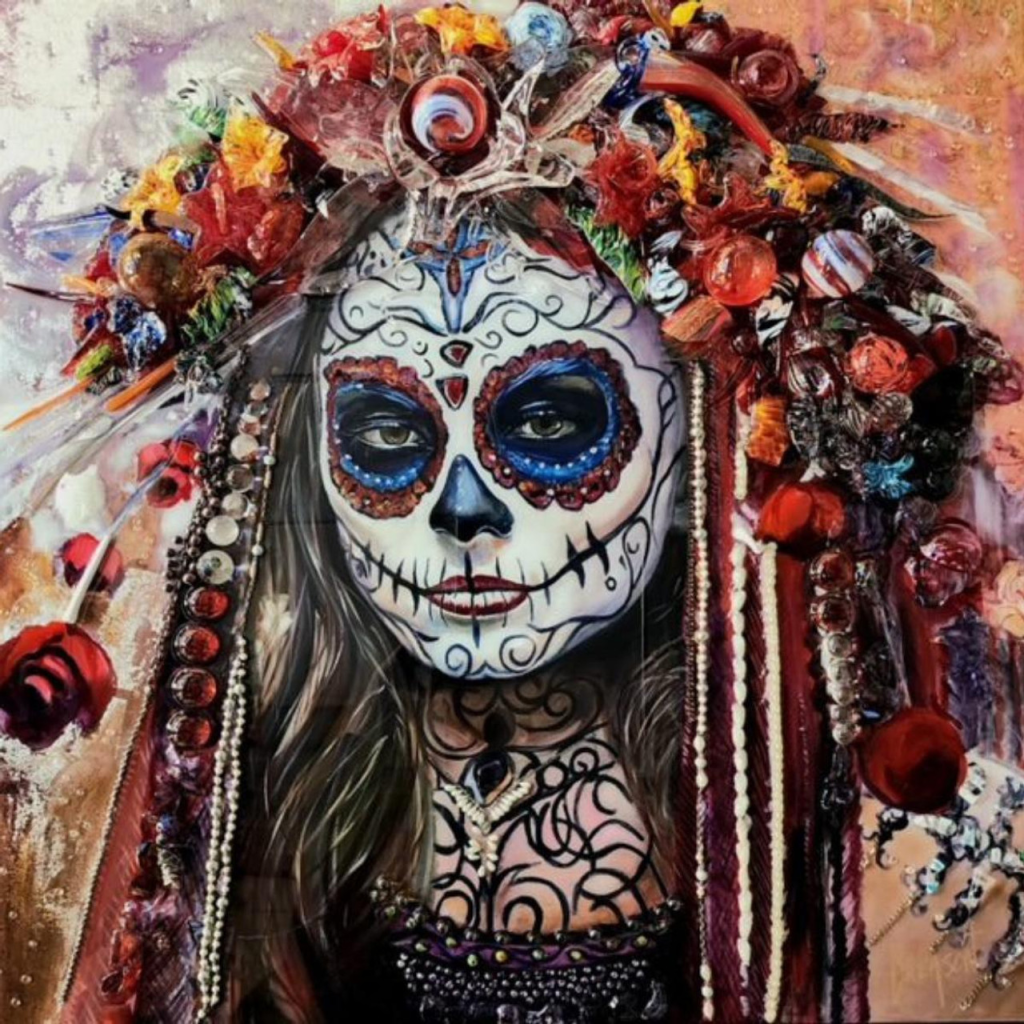
Día de Muertos, or the Day of the Dead, is a truly unique holiday, celebrated primarily in Mexico, that beautifully defies the somber nature usually associated with death. Celebrated annually from October 31st to November 2nd, this multi-day event is not a time of mourning but a vibrant, joyous affirmation of life where families welcome the souls of their deceased loved ones back for a brief, heartfelt reunion. The celebration is rooted in ancient Mesoamerican Indigenous traditions—specifically those of the Aztecs—blended with the Catholic All Saints’ and All Souls’ Days brought by Spanish colonizers. This rich syncretism has resulted in a spectacular festival where grief is exchanged for celebration, and the departed are remembered not with sadness, but with loving warmth and laughter.
The core of this tradition is the creation of an ofrenda (altar) in homes and at grave sites. These altars are a visual feast, covered in brightly colored marigolds (cempasúchil), which are believed to guide the spirits home with their vibrant color and intense fragrance. They are laden with offerings: Pan de Muerto (Bread of the Dead), water to quench the spirits’ thirst, candles for light, calaveras (sugar skulls), and, most importantly, the deceased person’s favorite foods, drinks, and personal mementos. By setting out these cherished items and telling stories of their lives, families keep the memory of their loved ones alive, demonstrating the powerful and comforting belief that as long as they are remembered, they never truly cease to exist.
Día de Muertos, or the Day of the Dead, is a truly unique holiday, celebrated primarily in Mexico, that beautifully defies the somber nature usually associated with death. Celebrated annually from October 31st to November 2nd, this multi-day event is not a time of mourning but a vibrant, joyous affirmation of life where families welcome the souls of their deceased loved ones back for a brief, heartfelt reunion. The celebration is rooted in ancient Mesoamerican Indigenous traditions—specifically those of the Aztecs—blended with the Catholic All Saints’ and All Souls’ Days brought by Spanish colonizers. This rich syncretism has resulted in a spectacular festival where grief is exchanged for celebration, and the departed are remembered not with sadness, but with loving warmth and laughter.
The core of this tradition is the creation of an ofrenda (altar) in homes and at grave sites. These altars are a visual feast, covered in brightly colored marigolds (cempasúchil), which are believed to guide the spirits home with their vibrant color and intense fragrance. They are laden with offerings: Pan de Muerto (Bread of the Dead), water to quench the spirits’ thirst, candles for light, calaveras (sugar skulls), and, most importantly, the deceased person’s favorite foods, drinks, and personal mementos. By setting out these cherished items and telling stories of their lives, families keep the memory of their loved ones alive, demonstrating the powerful and comforting belief that as long as they are remembered, they never truly cease to exist.
Día de Muertos, or the Day of the Dead, is a truly unique holiday, celebrated primarily in Mexico, that beautifully defies the somber nature usually associated with death. Celebrated annually from October 31st to November 2nd, this multi-day event is not a time of mourning but a vibrant, joyous affirmation of life where families welcome the souls of their deceased loved ones back for a brief, heartfelt reunion. The celebration is rooted in ancient Mesoamerican Indigenous traditions—specifically those of the Aztecs—blended with the Catholic All Saints’ and All Souls’ Days brought by Spanish colonizers. This rich syncretism has resulted in a spectacular festival where grief is exchanged for celebration, and the departed are remembered not with sadness, but with loving warmth and laughter.
The core of this tradition is the creation of an ofrenda (altar) in homes and at grave sites. These altars are a visual feast, covered in brightly colored marigolds (cempasúchil), which are believed to guide the spirits home with their vibrant color and intense fragrance. They are laden with offerings: Pan de Muerto (Bread of the Dead), water to quench the spirits’ thirst, candles for light, calaveras (sugar skulls), and, most importantly, the deceased person’s favorite foods, drinks, and personal mementos. By setting out these cherished items and telling stories of their lives, families keep the memory of their loved ones alive, demonstrating the powerful and comforting belief that as long as they are remembered, they never truly cease to exist.







 Realty Ideas Per Day
You must be logged in to post a comment.