
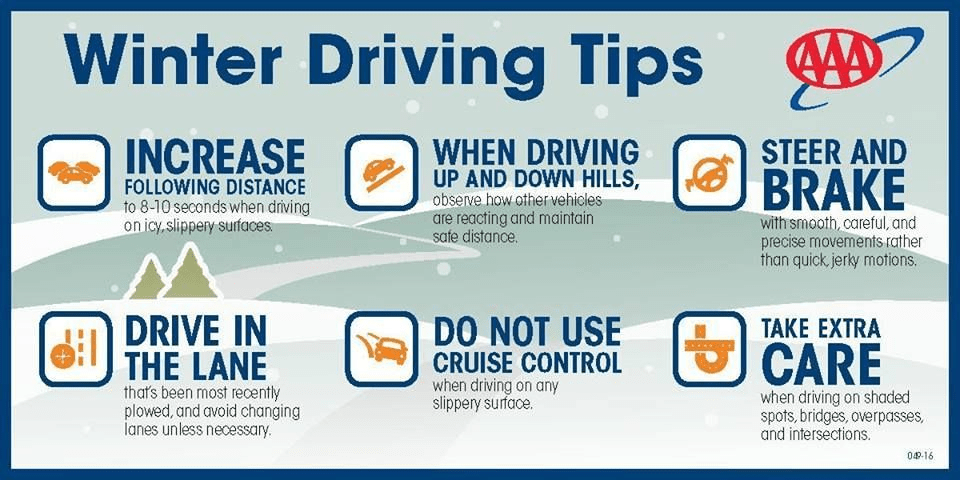
Winter driving demands a complete shift in habits, trading aggressive movements for defensive caution and patience. The most critical adjustment is to dramatically reduce your speed and increase your following distance. On icy or snow-covered roads, your stopping distance can double or even triple, so maintain a gap of at least eight to ten seconds between your vehicle and the one in front of you. When braking, apply gentle, steady pressure; avoid slamming the brakes, which can cause skidding, especially in cars without anti-lock braking systems (ABS). The key to maintaining control in a skid is gentle correction: steer gently in the direction you want the front of the car to go, keeping your movements subtle and smooth.
Preparation is just as crucial as technique. Before hitting the road, ensure your vehicle is ready by checking your tire pressure (which drops in cold weather), topping up your windshield washer fluid with a freeze-resistant solution, and making sure your wiper blades are functional. Always clear all snow and ice completely from your vehicle—the roof, hood, and all windows—not just a small patch on the windshield. Keep a winter emergency kit in your trunk, including jumper cables, a flashlight, warm blankets, non-perishable food, and a bag of sand or cat litter for traction if you get stuck. By slowing down and preparing for the worst, you significantly increase your safety on treacherous winter roads.
 Realty Ideas Per Day
You must be logged in to post a comment.